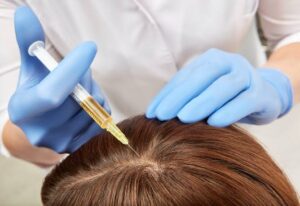
A Useful PRP Consultation Starts With One Concern, Not a Makeover
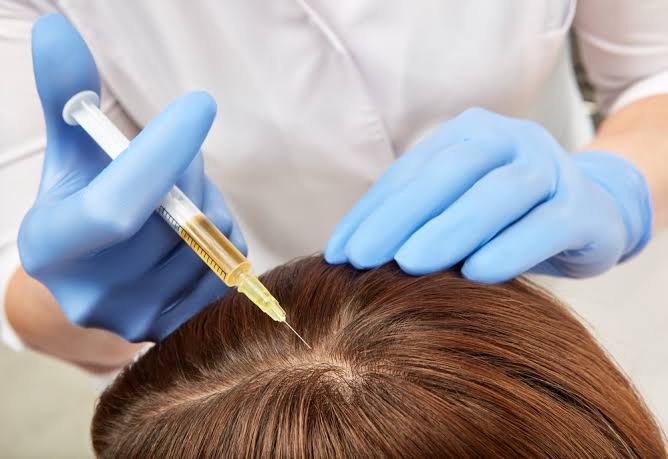
A first cosmetic PRP consultation is easier to use when you arrive with one concern you can describe, rather than a general instruction to look younger. You do not need to choose a procedure before the appointment. The immediate task is to understand whether the proposed approach fits what bothers you, what remains uncertain and whether you want to proceed at all.
That distinction matters when an online search produces an expanding menu of treatments. A person who began by noticing a particular area in a photograph can quickly find themselves considering a whole-face programme. More options do not necessarily make the original decision clearer. Keeping the initial concern visible gives the conversation a useful starting point without preventing a qualified practitioner from identifying matters that need assessment.
Describe what prompted the appointment
Use ordinary language before adopting the terminology on a service menu. Explain what you noticed, where you noticed it and whether it is a persistent concern or something that appeared under particular lighting. You might be bothered by the appearance of a small area, uncertain about a change, or simply curious about a procedure someone mentioned. Those are different reasons for attending.
A photograph can help explain the question, but it should not become a diagnosis. Say if the image uses a filter or was taken under unusual light. Bring the original version if you have it and want to share it. It is also reasonable to describe the issue without a photograph; you do not need to build a persuasive presentation to justify asking for advice.
For someone researching a Vaughan appointment, Elysium Beauty’s PRP service page identifies the service category to enquire about. An enquiry can still begin with the concern rather than a request for an injection. Ask whether the initial visit is an assessment, whether a fee applies and whether any treatment decision would be made separately. Confirm the actual appointment arrangements directly.
It can help to write one sentence you would like the practitioner to understand. For example, you may want to discuss one visible change without committing to a broader cosmetic plan. That statement is not a clinical boundary that prevents appropriate examination. It explains the purpose of your visit and gives you something to return to if the discussion becomes much larger.
Keep the proposed procedure separate from the desired change
A procedure name answers a different question from a personal goal. Wanting a change in appearance does not by itself establish that PRP is appropriate, or that a particular result can be achieved. Ask the practitioner to explain the reasoning connecting the concern, their assessment and the recommendation. A clear explanation should be understandable without requiring you to learn a treatment technique.
Health Canada’s PRP clarification advises people considering these treatments to speak with their practitioner. The fact that a procedure is discussed online is not a substitute for that individual conversation. Questions about suitability, potential harms and what evidence supports the proposed use belong with someone qualified to assess them.
Ask for unfamiliar words to be explained in relation to your concern. If a description combines several procedures, find out which one is being proposed and why. You do not need to decide whether the explanation sounds advanced. You need to understand what you are being asked to agree to and which uncertainties remain after the explanation.
Keep your health information accurate rather than editing it to make yourself seem suitable. Bring relevant history and a current medication list through the clinic’s appropriate process. Do not stop or alter prescribed treatment because a general beauty article suggests doing so. Any preparation instructions that conflict with your existing care need to be resolved with the relevant healthcare professionals.
Ask what would count as a worthwhile outcome
A useful outcome is more specific than liking the phrase “rejuvenated skin.” Ask what kind of change is realistically being discussed for you, how it would be assessed and when the practitioner would review it. This is not a request for a guarantee. It is a way to prevent an appealing but undefined promise from doing all the work in the decision.
Your own priorities belong in that discussion. A subtle change may matter to one person and not justify the commitment for another. If you are unsure what would make the experience worthwhile, say so before agreeing to a course of appointments. You can take time to think about the proposed benefit alongside the risks, inconvenience and financial commitment.
Be careful with reference photographs of other people. They can show the sort of appearance you mean, but they do not establish what will happen to you. Lighting, expression and the circumstances of the image may be unknown. Ask the practitioner to translate the reference into a discussion of your situation, rather than treating the picture as an outcome to order.
Leave room for an answer that is not treatment
An informative consultation can end with a decision to wait, seek another assessment or do nothing. That does not make it a wasted appointment. If the explanation leaves you confused, ask for a written outline or time to review it. Avoid making a same-day commitment simply because you have already travelled to the clinic or spent time researching.
Before leaving, make sure you know what the next step actually is. An assessment recommendation, an optional quotation and a booked treatment are not the same thing. Clarify any booking or cancellation arrangements without assuming that every clinic handles them alike. You should not have to infer your commitment from a reminder message later.
The most useful thing to take home may be a clearer question. If you can explain the original concern, the proposed response and the remaining uncertainty in your own words, the appointment has helped you make a decision. You do not need to leave with a longer list of things about your appearance that now seem to need fixing.